Our Philosophy
Our philosophy is simple: Nutrition is never just about food.
We treat the whole picture, body, brain, nervous system, environment, medical history, and relationship with eating, through trauma-informed, somatic, holistic nutrition therapy using our proprietary clinical method known as Psychonutrition. Our approach supports interoception, body awareness, and trust in internal signals. We also explore how the nervous system influences appetite, digestion, and eating.
Trauma-Informed Nutrition
Your relationship with food does not exist separately from your life experiences. Trauma, chronic stress, shame, control, dissociation, and past experiences with food or healthcare can shape appetite, digestion, eating patterns, body awareness, and trust. Our trauma-informed approach centers safety, collaboration, autonomy, and compassion so nutrition therapy can feel supportive rather than prescriptive.
Somatic Nutrition Therapy
Nutrition is experienced in the body in addition to being understood in the mind. Somatic nutrition therapy helps you notice what is happening physically around food and eating, including hunger, fullness, tension, activation, shutdown, numbness, urgency, nausea, and digestive sensations. We use those signals as meaningful information and help you build a more connected, responsive relationship with your body.
Psychonutrition
Psychonutrition is our framework for treating nutrition, psychology, behavior, and physiology as interconnected. We consider how food, nervous-system regulation, interoception, emotions, learning history, environment, and lived experience influence one another. This allows care to be individualized to the person rather than reduced to a meal plan or diagnosis.
Holistic Nutrition
We look at the full clinical picture. Hormones, metabolism, digestion, sleep, stress, medications, neurodivergence, movement, life stage, medical conditions, food access, preferences, mental health, and relationship with food can all influence nutritional health. Our recommendations are built around how these factors interact in your life.
Weight-Inclusive, Non-Diet Care
Health is more complex than a number on a scale. We focus on nourishment, symptoms, metabolic health, labs, strength, quality of life, sustainable behaviors, and relationship with food. Concerns such as insulin resistance, PCOS, menopause, cardiovascular health, and GLP-1 use can be addressed directly without making restrictive dieting the foundation of care.
Nervous-System-Informed Care
Eating happens within a nervous system. Stress, chronic activation, shutdown, and difficulty sensing internal cues can affect appetite, cravings, digestion, food choices, and eating patterns. We help you understand these responses and build nutrition strategies that support greater regulation, flexibility, and body awareness.
Interoception & Body Trust
Your body is constantly communicating with you. Interoception is the ability to notice internal signals such as hunger, fullness, thirst, nausea, tension, fatigue, and emotion. We help you strengthen awareness of those signals and build confidence responding to your body with more clarity and trust.
Relationship With Food
Nutrition therapy should address how eating feels. We look beyond what you eat. We work with food anxiety, guilt, rigid food rules, binge or emotional eating, chronic dieting, food noise, body image, and difficulty trusting hunger or fullness cues. The goal is a more flexible, peaceful, and sustainable relationship with food.
Evidence-Based, Individualized Care
There is no universal nutrition plan. Personalized, precision-care nutrition therapy is our standard of care. Your care is informed by nutrition science and shaped by your diagnoses, symptoms, medications, laboratory data, preferences, culture, history, goals, and lived experience. Recommendations are personalized, practical, and designed to make sense in the context of your actual life.
Mind-Body Nutrition
Nutrition, mental health, physiology, and environment continuously influence one another. We bring those pieces together so treatment can address the patterns underneath symptoms instead of treating food intake as an isolated behavior.
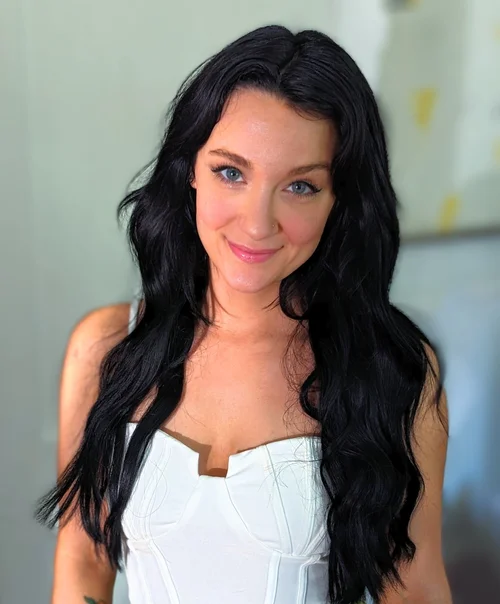
Emahlea (em-ah-lee)
Wilcher
MPH, MS, RD, LD · FOUNDER
Emahlea holds a Master of Public Health in Nutritional Sciences and a Master of Science in Epidemiology, both from the University of Washington School of Public Health. She completed the highly competitive UW Coordinated Dietetics Program and has made contributions to the scientific literature base through numerous publications.
Despite a rigorous clinical background, Emahlea recognized early in her career that traditional dietetics was missing a critical piece of the puzzle. Clients were given scientifically perfect meal plans, yet struggled to implement them. The missing link was the nervous system.
She developed the Psychonutrition framework to bridge this gap, integrating deep clinical nutrition knowledge with trauma-informed care and nervous system regulation. Trauma-informed and somatic work are two of the framework's fourteen clinical subdisciplines, alongside gut health, interoception, and burnout, each treating the nervous system as the actual starting point of care. What started as a solo private practice has grown into a team of specialized dietitians and a professional training organization dedicated to changing how we treat complex relationships with food.