
Thorne magnesium · Three formats
Thorne Magnesium Glycinate: Capsules, Powder, or Packets?
Choose the format you’ll find easiest to use, then check the elemental magnesium per serving.
Thorne’s capsules provide 120 mg of magnesium per capsule. The bisglycinate powder and packets each provide 200 mg per labeled serving. They are different serving sizes—not interchangeable scoop-for-capsule amounts.
New Approach Health may earn a commission from purchases through these links.
Compare the three options
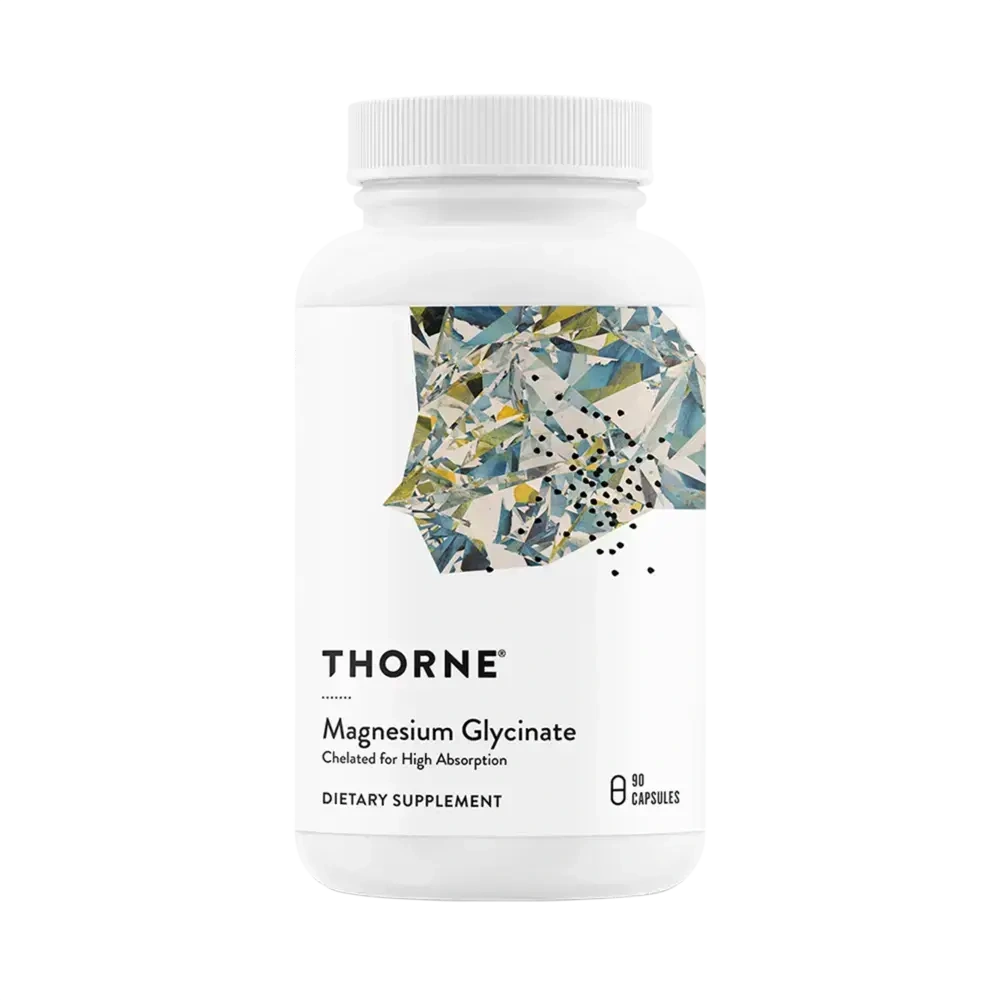
Capsules
120 mg per capsule
90 capsules
No drink to prepare; no sweetener listed.
Shop Thorne Capsules →New Approach Health uses Fullscript as our dispensary. This link takes you to Fullscript to see current pricing and complete your purchase.
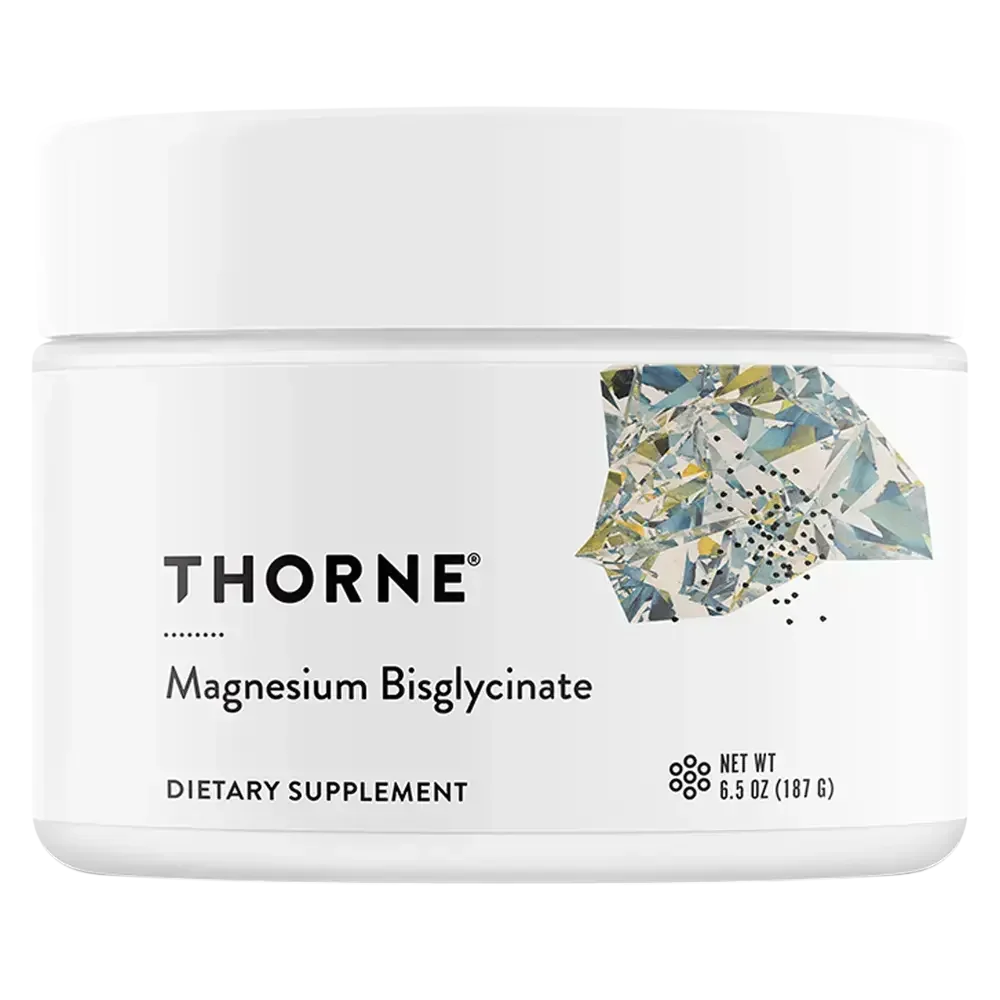
Powder
200 mg per scoop
187 g container
Mix with water. Contains citric acid and monk fruit concentrate.
Shop Thorne Powder →New Approach Health uses Fullscript as our dispensary. This link takes you to Fullscript to see current pricing and complete your purchase.
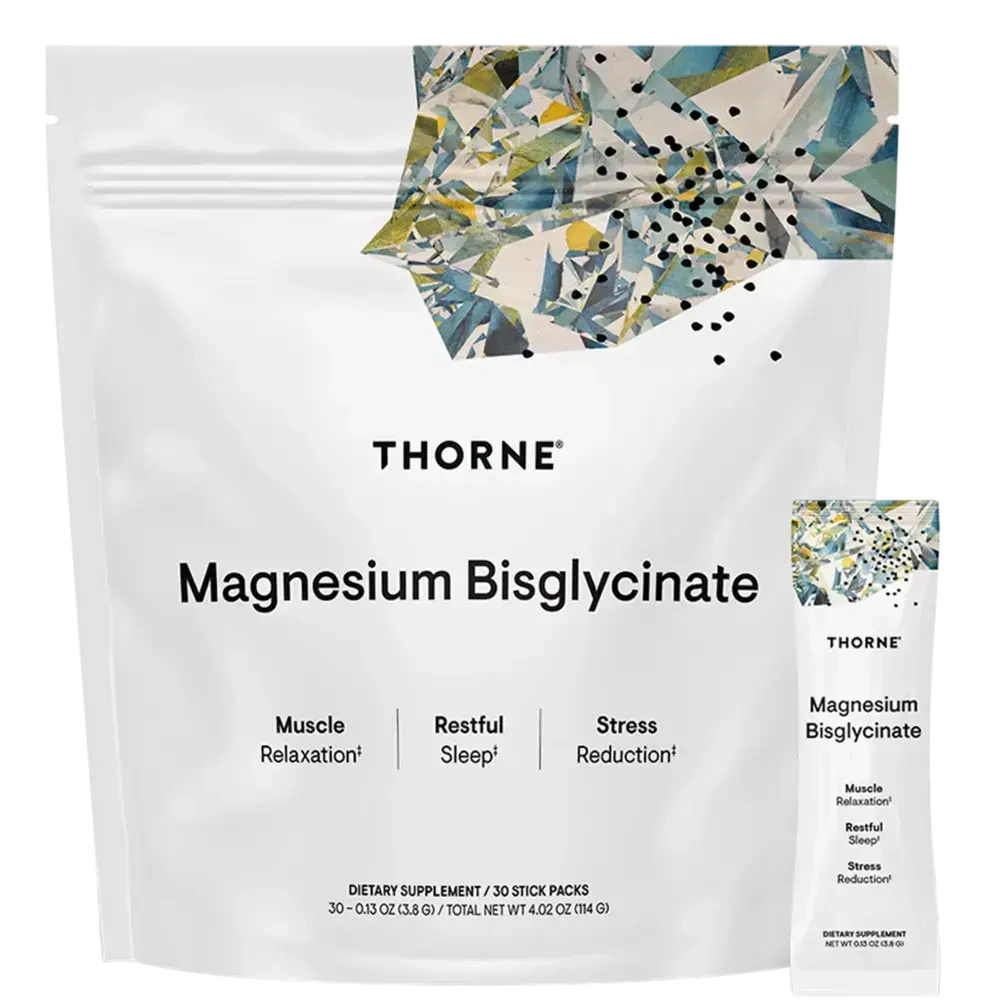
Packets
200 mg per stick
30 single-serving packets
Premeasured for travel or a desk drawer. Contains citric acid and monk fruit extract.
Shop Thorne Packets →New Approach Health uses Fullscript as our dispensary. This link takes you to Fullscript to see current pricing and complete your purchase.
A quick way to choose
| If you prefer… | Consider… | Check before buying |
|---|---|---|
| No mixing or sweet taste | Magnesium Glycinate capsules | 120 mg elemental magnesium per capsule; hypromellose capsule, medium-chain triglyceride oil, and silicon dioxide. |
| A powder mixed into water | Magnesium Bisglycinate powder | 200 mg per scoop; citric acid and monk fruit concentrate are listed. |
| A portable, premeasured serving | Magnesium Bisglycinate packets | 200 mg per stick; citric acid and monk fruit extract are listed. |
The powder and packets are listed as NSF Certified for Sport. Check the exact product and current label when a certification matters to your sport or organization.
Questions before you buy
Are magnesium glycinate and bisglycinate different?
These names are commonly used for magnesium bound to glycine. For these Thorne products, the practical differences are the format, added ingredients, and elemental magnesium per serving. The label is more useful than the name alone.
Are the powder and packets unsweetened?
No. Both list monk fruit. The capsules do not list a sweetener. If you want to avoid a sweet drink or a particular aftertaste, the capsule format may better fit that preference.
Can I combine the capsules, powder, and packets?
Count magnesium from all supplements and magnesium-containing medications. The NIH adult upper limit from supplements and medications is 350 mg per day unless a clinician recommends otherwise; this limit does not include magnesium naturally present in food.
Does one format work better for sleep?
These labels do not establish that one format is better for sleep. Choose based on your needs, the amount your clinician recommends, and what you can comfortably take.
What if I take medication or have kidney disease?
Ask your pharmacist about timing with medicines, especially certain antibiotics and osteoporosis medicines. Check with your kidney-care clinician before taking supplemental magnesium if you have kidney disease.
Can magnesium cause digestive side effects?
Yes. Supplemental magnesium can cause diarrhea, nausea, or cramping. More is not automatically better; dose and individual tolerance matter.
Still comparing magnesium?
Read our magnesium glycinate vs. citrate guide, or compare our Pure Encapsulations Magnesium Glycinate capsules.
For help deciding whether a supplement fits your eating pattern and medical care, meet our dietitians.
Product information and references
These dietary supplements are not intended to diagnose, treat, cure, or prevent any disease.
Product details checked October 27, 2026. Formulas and availability can change; check the label on the product you receive.